
Morocco Travel Guide 2026: Discover the best places to visit in Morocco, including Marrakech, Fes, the Sahara Desert, and the Atlantic Coast. Travel tips, itinerary ideas, and expert advice for your Morocco adventure.
If you’re looking for an unforgettable destination in 2026, Morocco should be at the top of your travel bucket list. Combining ancient cities, breathtaking landscapes, rich cultural traditions, world-famous cuisine, and excellent value for money, Morocco offers one of the most rewarding travel experiences in the world.
Situated at the crossroads of Europe and Africa, Morocco is a country where centuries-old traditions blend seamlessly with modern comforts. From the bustling souks of Marrakech to the golden dunes of the Sahara Desert, every region offers a unique experience.
Whether you’re planning a short city break, a cultural journey through Morocco’s imperial cities, or a multi-week adventure across mountains, deserts, and coastlines, Morocco has something for every type of traveller.
In this Morocco travel guide for 2026, you’ll discover why millions of visitors continue to choose Morocco as one of the world’s most fascinating destinations.
1. Things to Do in Morocco: Incredible Diversity in One Country
One of the biggest reasons to visit Morocco is the extraordinary variety of experiences available within a single trip.
Many destinations are known for one or two attractions. Morocco offers dozens of completely different experiences, all within relatively easy reach of one another.
In Marrakech, you’ll discover a vibrant city filled with historic palaces, traditional riads, colorful souks, rooftop restaurants, and centuries of history. The city’s famous medina remains one of the most exciting urban environments in the world.
Just a few hours away, Essaouira offers a completely different atmosphere. This charming Atlantic coastal city is known for its relaxed pace, UNESCO-listed medina, fresh seafood, and beautiful ocean views.
Travel south from Marrakech and you’ll enter the High Atlas Mountains, where peaks rise above 4,000 meters. Continue further and the scenery transforms into palm-filled valleys, ancient kasbahs, dramatic gorges, and eventually the magnificent Sahara Desert near Merzouga.
Head north to Fes and you’ll step into one of the world’s best-preserved medieval cities. The historic Fes el-Bali medina has been continuously inhabited for more than 1,200 years and remains one of Morocco’s most important cultural and spiritual centers.
Few countries allow visitors to experience imperial cities, mountain landscapes, desert adventures, and Atlantic beaches in a single journey. This diversity makes Morocco one of the most rewarding travel destinations in 2026.
2. Travel to Morocco in 2026 Is Easier Than Ever
Morocco has become increasingly accessible for international visitors.
Direct flights connect major European cities with Marrakech, Casablanca, Fes, Agadir, Rabat, and Tangier. Visitors from the United Kingdom, France, Spain, Germany, Belgium, and the Netherlands can often reach Morocco in less than three hours.
For travellers coming from North America, the Middle East, and Africa, Casablanca Mohammed V International Airport serves as the country’s primary international gateway.
Infrastructure improvements have also transformed travel within Morocco. Modern highways connect major cities, while the country’s high-speed rail network significantly reduces travel times between Casablanca, Rabat, and Tangier.
Tourism facilities have improved dramatically in recent years. Visitors can now choose from luxury resorts, boutique riads, eco-lodges, desert camps, and traditional guesthouses that meet international standards of comfort and hospitality.
Whether you’re planning an independent trip or a guided tour, travelling around Morocco is more convenient than ever before.
3. Moroccan Food Is One of the World’s Great Culinary Experiences
Food is one of the highlights of any trip to Morocco.
Moroccan cuisine is widely recognized as one of the world’s great culinary traditions, combining influences from Arab, Amazigh, Andalusian, African, and Mediterranean cultures.
Traditional tagines remain among Morocco’s most iconic dishes. Slow-cooked with spices, preserved lemons, olives, vegetables, or meat, they showcase the country’s remarkable culinary heritage.
Another must-try dish is bastilla, a unique combination of sweet and savory flavors featuring layers of pastry, almonds, cinnamon, and traditionally pigeon or chicken.
Harira soup, often served during Ramadan, remains a beloved national dish. Couscous, traditionally enjoyed on Fridays, is another essential part of Moroccan food culture.
Street food lovers will find endless options throughout the country. Fresh msemen flatbreads, grilled brochettes, seafood in coastal towns, and local specialties in city markets provide authentic culinary experiences at affordable prices.
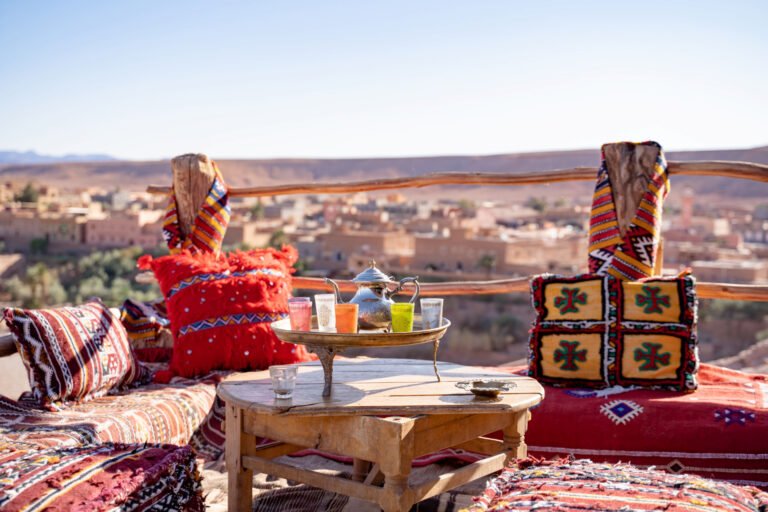
No visit to Morocco would be complete without enjoying traditional Moroccan mint tea. Served throughout the country, mint tea is far more than a beverage—it’s an important symbol of hospitality and social connection.
Vegetarian travellers will also find Morocco surprisingly accommodating, with a wide variety of vegetable-based dishes available across the country.
Here is a list of some of the best Moroccan dishes https://www.amjourneys.com/morocco-food-tour/
4. Morocco Offers Excellent Value for Money
Compared with many popular European destinations, Morocco provides exceptional value for travellers.
Accommodation, transportation, dining, and guided experiences remain relatively affordable, allowing visitors to enjoy high-quality experiences without excessive costs.
A beautifully restored riad in the medina of Fes or Marrakech can often cost less than a standard hotel room in many Western European capitals.
Dining is equally attractive from a budget perspective. Whether you’re eating at a local restaurant or enjoying a fine dining experience, meals are generally more affordable than comparable options in cities such as Paris, London, Rome, or Amsterdam.
Private tours, airport transfers, and intercity transportation also remain accessible for travellers seeking convenience and comfort.
For budget-conscious travellers and luxury seekers alike, Morocco continues to offer outstanding travel value in 2026.
5. Experience the Sahara Desert in Morocco
No Morocco itinerary is complete without experiencing the Sahara Desert.
Located near Merzouga in southeastern Morocco, the Erg Chebbi dunes are among the country’s most spectacular natural attractions. Some dunes rise to more than 150 meters, creating dramatic landscapes that seem almost otherworldly.
Many visitors choose multi-day desert tours departing from Marrakech or Fes. These journeys often include stops in the High Atlas Mountains, Ait Ben Haddou, the Draa Valley, Todra Gorge, and numerous traditional villages along the way.
One of the most memorable experiences is riding a camel through the dunes at sunset before spending the night in a desert camp beneath a sky filled with stars.
Watching the sunrise over the Sahara remains one of Morocco’s most unforgettable travel experiences and a highlight for countless visitors every year.
6. Explore Morocco’s Historic Imperial Cities
Morocco’s four imperial cities—Marrakech, Fes, Meknes, and Rabat—offer an extraordinary journey through centuries of history.
Each city has its own unique character.
Marrakech is energetic, colorful, and filled with cultural attractions. Its bustling markets, historic palaces, and vibrant atmosphere attract visitors from around the world.
Fes is widely regarded as Morocco’s cultural and spiritual capital. Its ancient medina, historic universities, traditional craftsmanship, and remarkable architecture create a truly immersive experience.
Meknes remains one of Morocco’s hidden gems. Often overlooked by tourists, it offers impressive monuments, historic gates, and a more relaxed atmosphere.
Rabat, Morocco’s modern capital, combines historical landmarks with contemporary culture, beautiful coastal views, and excellent museums.
Spending several days in each city allows travellers to appreciate the depth and richness of Morocco’s cultural heritage.
7. Getting Around Morocco with Private Transfers
While Morocco’s public transportation system continues to improve, many visitors prefer private transportation for greater flexibility and comfort.
The distances between Morocco’s major attractions can be significant. Marrakech, Fes, Merzouga, Chefchaouen, and Essaouira are spread across different regions, making transportation planning an important part of any itinerary.
Private transfers allow travellers to explore at their own pace, stop for photographs, visit lesser-known attractions, and travel directly between accommodations.
For first-time visitors, airport transfers, intercity transportation, and private day trips can significantly simplify travel logistics and enhance the overall experience.
Whether you’re travelling as a couple, family, or small group, private transportation often provides the most comfortable way to discover Morocco’s diverse regions.
Best Time to Visit Morocco in 2026
The best time to visit Morocco is generally during spring (March to May) and autumn (September to November).
During these seasons, temperatures are comfortable throughout most of the country, making sightseeing, hiking, and desert excursions particularly enjoyable.
Summer is ideal for coastal destinations such as Essaouira and Agadir, although temperatures can become extremely hot in Marrakech and southern desert regions.
Winter offers snow-covered scenery in the High Atlas Mountains, cooler temperatures in the cities, and fewer tourists at many popular attractions.
Regardless of when you visit, Morocco offers unique experiences throughout the year.
Frequently Asked Questions About Morocco Travel
Is Morocco safe for tourists in 2026?
Yes. Morocco remains one of the most popular tourist destinations in Africa and welcomes millions of visitors each year. Like any destination, travellers should remain aware of their surroundings and follow common travel precautions.
How many days do you need in Morocco?
A minimum of 7 to 10 days is recommended for first-time visitors. However, 12 to 14 days allows enough time to explore Morocco’s imperial cities, mountains, coast, and Sahara Desert.
What is the best month to visit Morocco?
April, May, October, and November are generally considered the best months due to pleasant temperatures across most regions.
Do I need a visa to visit Morocco?
Visa requirements depend on your nationality. Many visitors from Europe, North America, and several other countries can enter Morocco visa-free for short stays.
Is Morocco expensive for tourists?
No. Morocco is generally considered an affordable destination that offers excellent value for accommodation, food, transportation, and activities.
Plan Your Morocco Adventure in 2026
Morocco continues to captivate travellers with its extraordinary combination of history, culture, cuisine, landscapes, and hospitality. Few destinations offer such diversity within a single journey—from ancient medinas and imperial cities to Atlantic coastlines, mountain villages, and the vast Sahara Desert.
Whether you’re seeking adventure, cultural immersion, culinary discovery, or simply a completely different travel experience, Morocco in 2026 is a destination that exceeds expectations.
Start planning your Morocco itinerary today and discover why so many first-time visitors return again and again to explore more of this remarkable country.